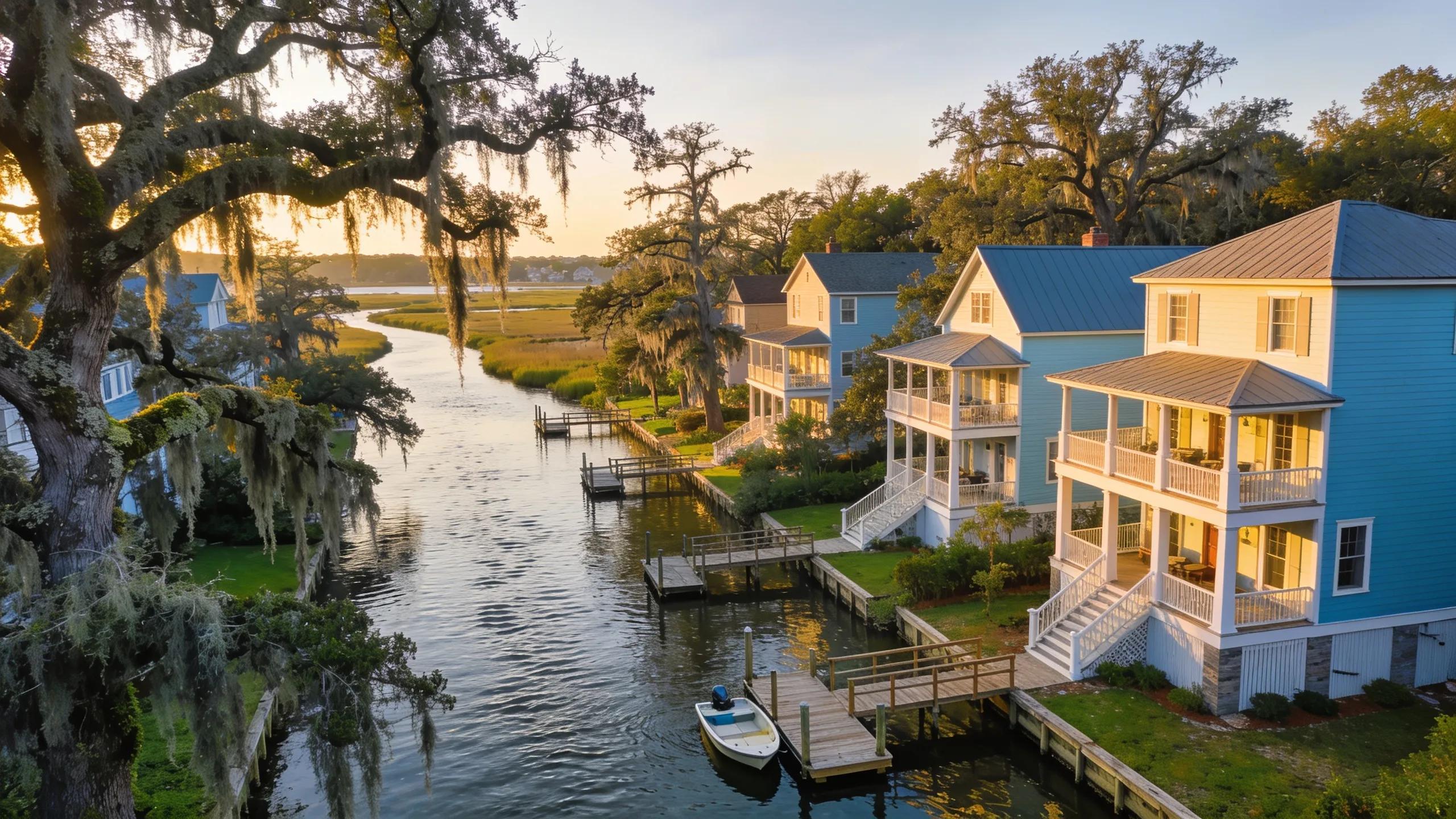
Understanding the differences between homeowners insurance and flood insurance is crucial for families living in the Lowcountry, especially considering the region’s vulnerability to flooding. While homeowners insurance provides a basic safety net for various damages, it often excludes flood-related incidents, highlighting the importance of having both types of coverage. In this article, we will explore the essential aspects of homeowners and flood insurance, including their coverage specifics and why both are beneficial for Lowcountry residents. This knowledge will help families make informed decisions regarding their property protection strategies against flooding risks common in South Carolina.
Homeowners Insurance
Homeowners insurance is designed to protect homeowners from a variety of risks, primarily dwelling and personal property losses. Typically, this type of insurance covers damages from fire, theft, vandalism, and certain natural disasters. However, it is important for policyholders to understand that flooding is usually excluded from standard homeowners insurance policies. Therefore, Lowcountry families should carefully examine their homeowners policies to ascertain which events are covered and consider whether they may need additional coverage to protect against flooding.
Moreover, homeowners should consider best practices when selecting coverage. This includes regularly reviewing the policy, understanding the terms, and assessing whether additional coverage or endorsements may be needed for specific risks. Being proactive can help mitigate potential financial losses related to property damage.
What Are the Key Differences Between Homeowners Insurance and Flood Insurance?

The key differences between homeowners insurance and flood insurance lie in their scope and coverage specifics. While homeowners insurance provides a general safety net against various hazards, flood insurance specifically covers losses related to flooding incidents, which are not typically included in homeowners policies. Homeowners insurance is important for protected risks like fire and theft, whereas flood insurance can be critical for families living in flood-prone areas, such as many parts of the Lowcountry.
Understanding these differences can help families assess their risk and establish a well-rounded insurance strategy that aims for comprehensive coverage. With the potential for extreme weather patterns, families may want to consider both policies to protect their homes effectively.
Which Damages Does Homeowners Insurance Typically Exclude?
Homeowners insurance typically excludes damages caused by flooding. This means that if a home is damaged due to water rising from rivers, lakes, or any flooding event, the homeowners insurance policy may not cover repairs or replacements. Additionally, damage from sewer backups or heavy rain that leads to overflow is often not covered unless specific endorsements are added.
These exclusions highlight the potential benefit for Lowcountry residents to secure separate flood insurance to help maintain financial security during flooding incidents. It’s important for homeowners to communicate with their insurance agents to clarify these exclusions and to understand the implications fully.
Flood Insurance
Flood insurance is a specialized policy specifically designed to cover property damage caused by flooding. For homes located in designated flood zones, obtaining flood insurance is often mandated by lenders to secure a mortgage. The National Flood Insurance Program provides guidelines and standardizes flood insurance practices across the country, supporting homeowners in recovering from flood-related losses.
Flood insurance provides two types of coverage: building coverage and contents coverage. Building coverage includes physical improvements to the structure of the home, while contents coverage addresses personal property losses due to flooding. These examples illustrate typical coverage areas, subject to the specific terms and conditions of each policy. Understanding the extent of this coverage enables homeowners to ensure they are sufficiently protected against the financial impacts of flood damage.
How Does Flood Insurance Cover Losses and Damages?
Flood insurance generally covers direct physical losses caused by flooding, such as damage to the structure of the home or personal belongings inside. Examples of covered losses might include:
- Replacement costs for structural repairs due to flood damage
- Replacement of damaged personal property, including appliances, furniture, and clothing
- Coverage for debris removal associated with flooding incidents
Each policy will have specific terms and limits, and it’s advisable for homeowners to work with their insurance agents to understand the coverage amounts and any limitations. By investing in flood insurance, Lowcountry families can aim to protect their homes and possessions against potential financial losses from flooding, keeping in mind that actual coverage depends on the individual policy.
Why Is Flood Insurance Typically Required in South Carolina’s Lowcountry Flood Zones?
In South Carolina’s Lowcountry, flooding is a notable risk factor that has prompted local and federal regulations encouraging flood insurance in designated flood zones. These zones are mapped and defined by the Federal Emergency Management Agency (FEMA) based on their risk exposure. Homeowners within these flood zones may be required by lenders to obtain flood insurance as part of their mortgage agreements, helping ensure financial protection during flooding events.
Such requirements aim to ensure that homes have coverage against floods—a hazard sometimes overlooked. Understanding the implications of residing in a flood-prone area highlights the importance of comprehensive insurance coverage strategies.
What Are FEMA Flood Zones and Their Importance in Lowcountry?
FEMA flood zones are designated areas on flood maps that outline varying levels of flood risk. These zones categorize properties based on their elevation, proximity to water bodies, and historical flooding patterns. The mapping of these zones is important for understanding personal risk and for securing appropriate flood insurance. Properties in high-risk flood zones often require flood insurance, whereas those in lower-risk areas may have the option to choose coverage.
Lowcountry residents should review FEMA flood zone maps to understand their property’s risk level. This information supports families in making informed decisions about insurance needs and mitigation efforts.
When Is Flood Insurance Typically Mandatory for Lowcountry Homeowners?
Flood insurance becomes typically mandatory for homeowners when their properties are located in high-risk flood zones as identified by FEMA. When securing a mortgage, lenders generally require proof of flood insurance for properties in these designated areas. Homeowners should verify whether their homes fall within these zones and consider insurance requirements to maintain mortgage eligibility.
By understanding when flood insurance is generally mandatory, Lowcountry families can better ensure they are aligned with federal regulations and have suitable protection against flooding risks.
How Can Lowcountry Families Assess Their Flood Risk Accurately?

Assessing flood risk accurately involves tracking environmental factors and using resources such as FEMA flood maps. Local government websites often provide access to these maps, which show flood zones, historical flooding data, and significant storm information. Homeowners should evaluate property elevation, proximity to water bodies, and previous flooding incidents.
Additionally, engaging with local officials or insurance agents can provide personalized insights into specific risks and recommendations. Gathering this information helps Lowcountry families make informed decisions about their flood insurance needs and overall property protection.
Where to Find and Read the Lowcountry Flood Zone Map?
The Lowcountry flood zone map can often be found on local government or flood management agency websites. FEMA’s website also provides access to flood maps that enable residents to identify their flood zone based on geographic location.
Understanding how to navigate and interpret these maps is useful for homeowners, helping them recognize risk levels and potential insurance needs. Homeowners are encouraged to review these resources regularly, as flood zones can change due to environmental and developmental factors.
What Factors Affect Flood Risk in South Carolina’s Coastal Areas?
Several factors influence flood risk in South Carolina’s coastal areas, including land elevation, proximity to water bodies, and climate change effects that may increase the likelihood of heavy rainfall and rising sea levels. Urban development may also affect water runoff patterns, altering flood risk in some neighborhoods.
Families in these areas should consider these factors when evaluating insurance options. Staying informed about environmental changes can support ongoing preparedness for flooding events.
What Are Typical Flood Insurance Costs and Coverage Limits in South Carolina?
Flood insurance costs in South Carolina vary based on factors such as location, elevation, and desired coverage levels. Annual premiums typically range from around $600 to $1,200, depending on the homeowner’s risk profile. Coverage limits often include up to $250,000 for structures and $100,000 for contents, with higher limits possibly available. These are examples only, and actual policies may differ.
Understanding these costs and coverage options is important for budget planning and making informed decisions. Families should consult insurance professionals to explore options that balance financial considerations with protection needs.
How Do Commercial Flood Insurance Policies Support Small Businesses in Lowcountry?
Commercial flood insurance policies offer protection for small businesses in the Lowcountry by covering losses arising from flooding. Such policies can help address costs related to property damage, inventory losses, and business interruptions, assisting local businesses in recovery after flood events.
Securing appropriate commercial flood insurance is an important consideration for business owners in flood-vulnerable areas. It supports financial resilience and helps maintain the local economy during challenging situations.
What Is the Flood Insurance Claims Process for Lowcountry Residents?
The flood insurance claims process typically starts with thorough documentation of damage and prompt notification to the insurance provider. Homeowners are encouraged to take photos, list damaged items, and keep receipts to support their claims. After reporting, an insurance adjuster usually assesses the damage to help determine claim amounts.
Understanding this process helps Lowcountry residents navigate the aftermath of flooding more effectively and assists in utilizing their flood insurance benefits. Individual claim outcomes will depend on policy terms and conditions.
How Should Homeowners File a Flood Insurance Claim?
Filing a flood insurance claim involves several steps to ensure completeness and accuracy. Homeowners should notify their insurance companies promptly, follow instructions, and gather necessary documentation such as photographs, invoices, and estimates related to the loss.
Being organized and thorough can help facilitate the claims process. However, claim approvals and payments are subject to the specific terms and conditions of the policy.
The importance of understanding the differences between homeowners insurance and flood insurance remains clear, especially for families in the Lowcountry. Given its flood risk, securing both types of coverage is advisable for comprehensive property protection. Homeowners should regularly assess their insurance needs and ensure they have appropriate safeguards against both flood-related disasters and other covered perils. For personalized coverage options tailored to local needs, families can contact Swamp Fox Insurance Agency, which specializes in insurance solutions considering unique risks and requirements in the Lowcountry.
Disclaimer: Policy terms, limits, exclusions, deductibles, availability, and eligibility vary by carrier and policy. Coverage examples provided are for illustrative purposes only and subject to the specific terms and conditions of each individual policy. Carriers may restrict new coverage or policy changes when a storm is approaching. Additionally, flood insurance policies typically have a 30-day waiting period before coverage takes effect, with some exceptions.
